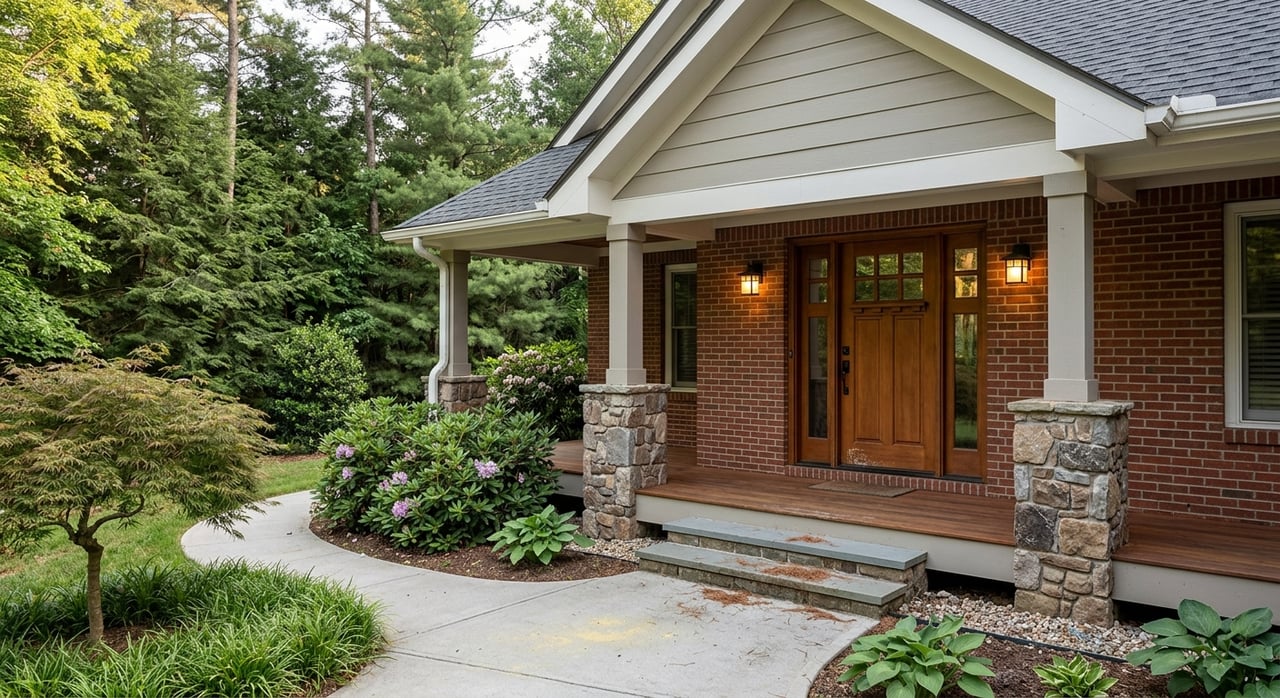
Blowing Rock Second Home Buying: What to Check First
July 2, 2026
July 2, 2026
A second home in Blowing Rock can be a dream move, but in this market, the details matter just as much as the view. If you are picturing a mountain getaway for weekends, holidays, or part-time living, you also need to think through access, utilities, zoning, and how you plan to use the property. The good news is that with the right local guidance, you can buy with more confidence and fewer surprises. Let’s dive in.
Blowing Rock is not a typical suburban second-home market. The town’s comprehensive plan lists a year-round population of 1,376, while town information notes growth that includes about 8,000 summer residents. That seasonal rhythm affects everything from traffic and parking to how often a home may sit vacant.
The setting is part of the appeal. Blowing Rock sits at roughly 3,850 to 4,000 feet in elevation on the Eastern Continental Divide, with access from US 221, US 321, and the Blue Ridge Parkway. For many buyers, that means cooler temperatures, mountain scenery, and a true getaway feel.
It also means mountain-specific planning. NOAA normals for the Blowing Rock 1NW station show a January mean temperature of 29.9°F and 24.6 days per year with minimum temperatures at or below freezing. If you will not live in the home full-time, winter access and cold-weather maintenance should be part of your buying decision from day one.
Before you look at listings, get clear on how you want to use the home. Some buyers want a private retreat for family time. Others want flexibility for occasional rentals, longer seasonal stays, or future retirement use.
That goal will shape almost every part of your search. In Blowing Rock, a home that works beautifully for personal use may not work for rental plans, guest parking, or year-round convenience. The best purchase is the one that matches how you actually plan to own and use the property.
Blowing Rock offers more than one kind of second-home option. Based on the zoning code, common property categories include single-family homes, two-family homes, multi-family or condo-style units, mobile-home parcels, and some downtown or commercial settings with different use patterns.
That variety can be helpful, but it also means you should avoid broad assumptions. A detached mountain house, a condo in a multi-family complex, and a property near a commercial node can come with very different rules and ownership responsibilities. In this town, it is smart to evaluate each parcel on its own facts.
In a mountain town, the route to the home matters almost as much as the home itself. Blowing Rock’s comprehensive plan notes that private automobile and walking are the primary transportation modes, and much of town has winding roads because of the topography.
For second-home buyers, that can affect convenience in every season. If you expect family or guests to visit often, think about how easy it is to reach the property after dark, during freezing weather, or during busier seasonal periods.
The zoning code adds another layer. Every lot must have direct or indirect access to a public street, private roads must allow reasonable emergency access, state-maintained driveway entrances need NCDOT permits, and driveways to town streets have grade limits.
A smart due diligence step is to test the drive yourself. If possible, ask who maintains the road, who handles snow removal, and who fixes drainage issues. Those answers can affect both your budget and your peace of mind.
Parking is easy to overlook when you are focused on finishes and views. In Blowing Rock, it should be near the top of your list. The town’s comprehensive plan identifies a downtown public parking deficit of around 600 spaces, which reinforces how important on-site parking can be.
If you plan to host friends and family, review the driveway layout and available guest parking carefully. A steep driveway, limited turnaround space, or tight parking area can become a real issue in winter or during busy weekends.
This matters even more if you hope to rent the property. Off-street parking requirements can directly affect whether a home fits your intended use. In Blowing Rock, practical features often carry just as much value as charm.
Utility questions are especially important for a second home. The zoning code says that if public water or sewer is available, connection is required. If not, the property must have a sewage disposal system and water supply system that comply with health regulations.
That means you should confirm exactly what serves the property. A home on town utilities may be simpler for some absentee owners, while a property with private systems may require a different maintenance plan.
If the home uses town utilities, water, sewer, and garbage bills are sent every two months and are due about 30 days after billing. Before closing, make sure your mailing address, forwarding plan, and any autopay setup are ready to go.
Many second-home buyers ask the same question first: can I rent it out? In Blowing Rock, the answer depends on the exact property, not just the town in general.
The zoning code defines a short-term rental as a dwelling unit, or part of one, rented for less than 28 consecutive days. A zoning permit is required for each unit, and that permit is not valid until the property passes inspection.
The town also requires a local contact who can respond within one hour. In addition, the property must have off-street parking for each bedroom, trash and recycling service, smoke and carbon monoxide detectors, and a visible 911 address posting.
Just as important, short-term rentals are not allowed everywhere. The code allows them by right in CB, TC, GB, and OI districts, along with certain overlay or grandfathered situations such as the Short-Term Rental Overlay District for qualifying multi-family complexes and specific locations including Chetola Resort and Royals Oaks Condominiums.
That is why zoning history matters. A listing description may mention rental potential, but buyers should confirm the parcel’s zoning district and any applicable overlay, vested right, or legal nonconforming status with the town’s official map or GIS before writing an offer.
Rental use brings tax obligations too. Blowing Rock levies a 6 percent occupancy tax on gross rental receipts inside town limits, including bookings made through third-party platforms.
The tax does not apply to rentals of 90 or more consecutive days. Monthly reports are due by the 20th of the following month, even if there were no rentals during that period.
This creates an important planning point for second-home owners. A stay of 28 to 89 days may fall outside the town’s short-term rental definition, but it may still appear taxable until the 90-day exemption applies. If rental income is part of your plan, this is a detail worth reviewing early.
In Blowing Rock, homeowners association rules can be just as important as town rules. The land-use code requires that associations responsible for common areas be established before a lot is sold or a building is occupied, and those associations must have clear authority over common areas and the ability to collect resident contributions.
For some multi-family properties in short-term rental overlay districts, the code specifically requires an HOA or property-owner association with authority to regulate or manage short-term rental uses. That means town approval alone may not be enough for your plans.
Before you move forward, review the HOA documents closely. Pay attention to rental caps, guest parking rules, approval requirements, exterior-change restrictions, and any special assessments. These rules can have a direct impact on both your ownership experience and long-term flexibility.
If you are serious about buying a second home in Blowing Rock, it helps to approach the offer process with a mountain-market checklist. Here are a few practical items to confirm before you commit:
This kind of due diligence can help you avoid buying a home that looks right online but does not fit your real goals.
Second-home purchases in Blowing Rock are rarely one-size-fits-all. Two homes at similar price points can come with very different answers on access, zoning, utilities, and rental use.
That is where local experience matters. Baker Realty has deep roots in western North Carolina dating back to 1971, with long-standing knowledge of Blowing Rock, Watauga County, and the broader High Country. When you are comparing mountain properties, practical insight can make the process smoother and help you focus on the homes that truly fit.
If you are considering buying a second home in Blowing Rock, Baker Realty can help you evaluate the details that matter most and find a property that fits your plans.
Stay up to date on the latest real estate trends.
Etiam non quam lacus suspendisse faucibus interdum. Orci ac auctor augue mauris augue neque. Bibendum at varius vel pharetra. Viverra orci sagittis eu volutpat.